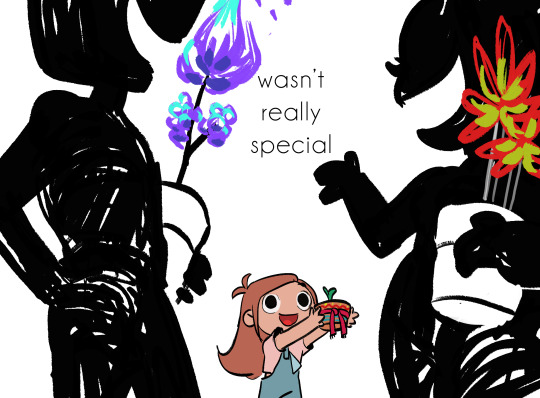
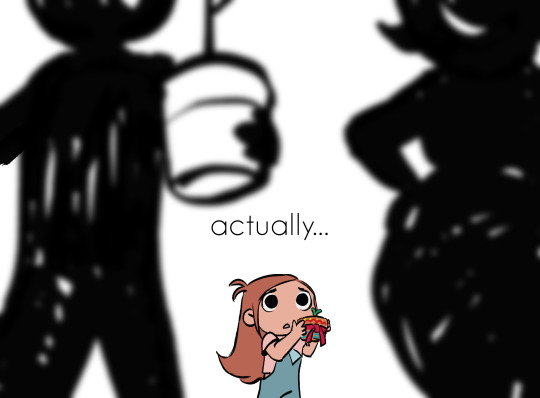
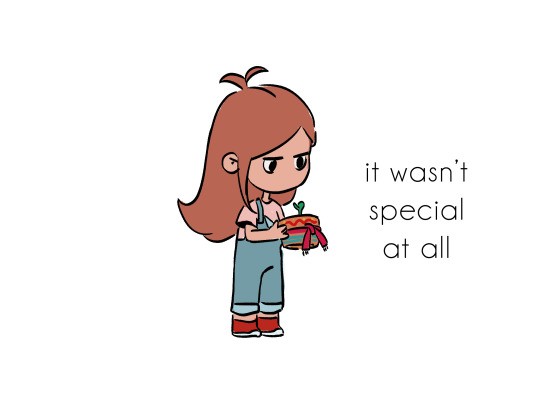
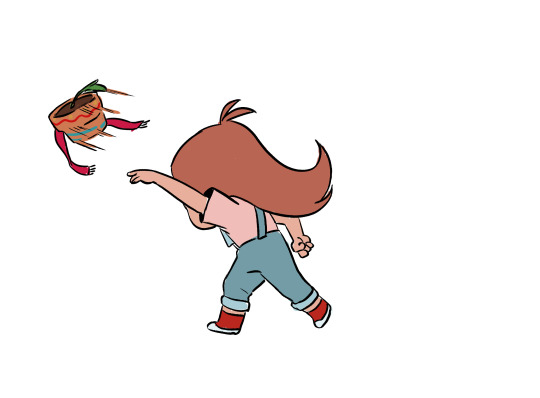
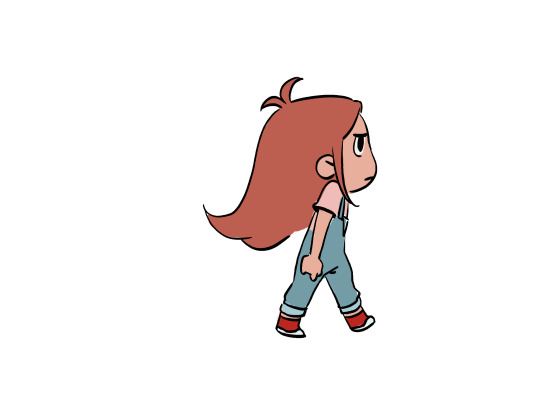
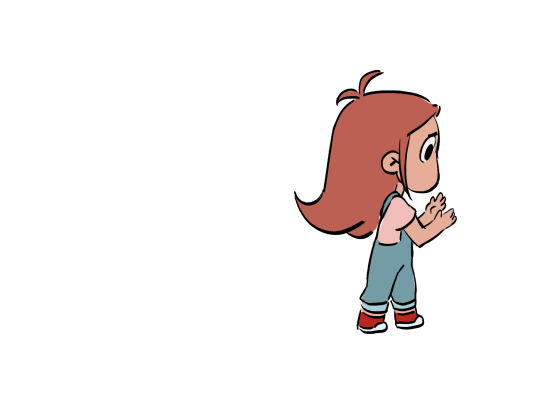
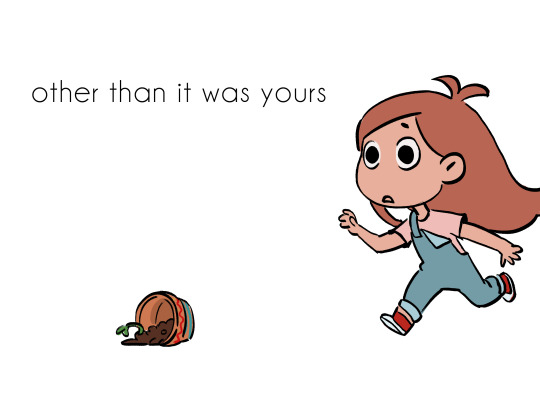
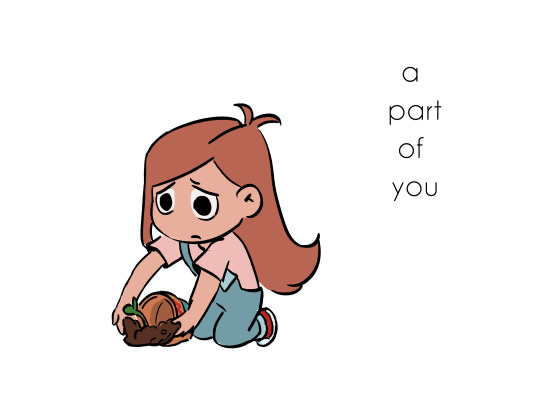
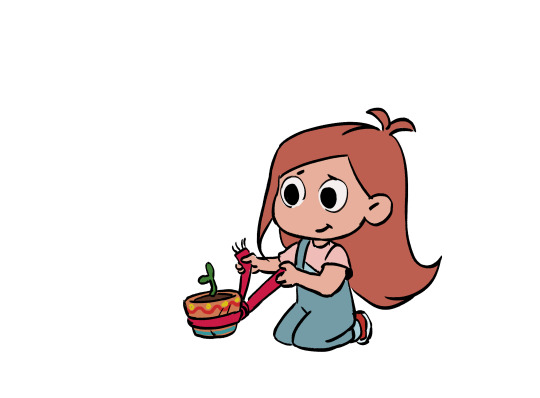
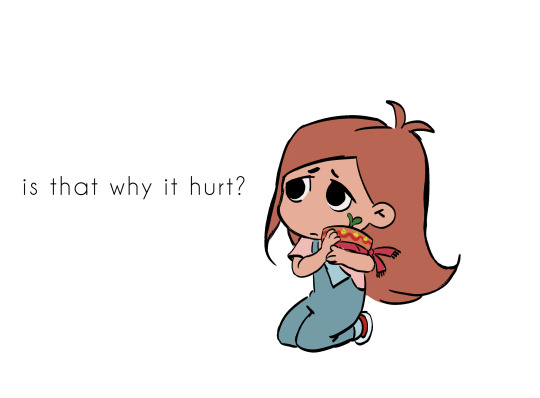
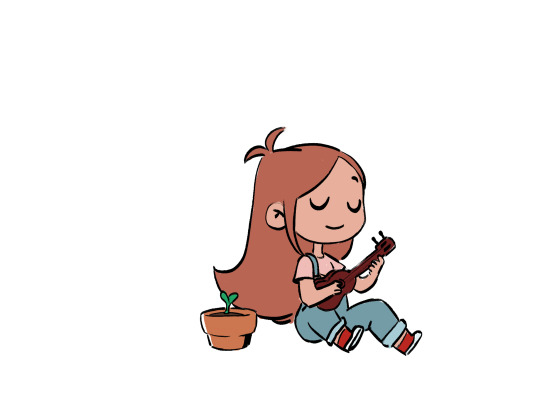
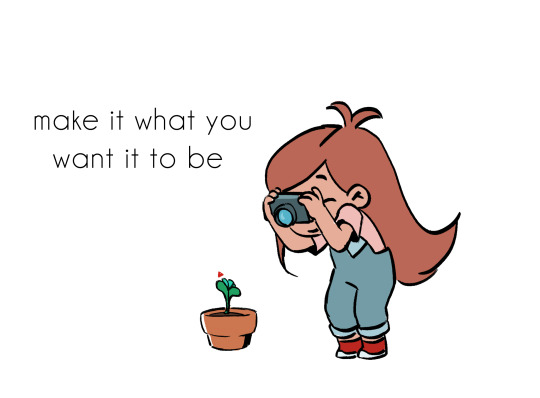
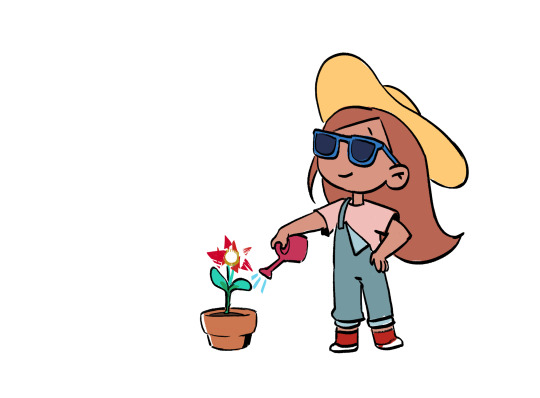
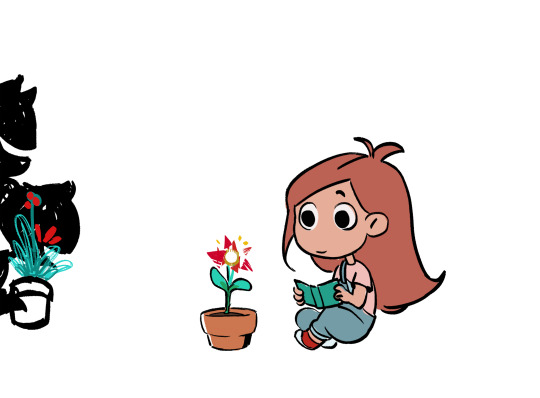
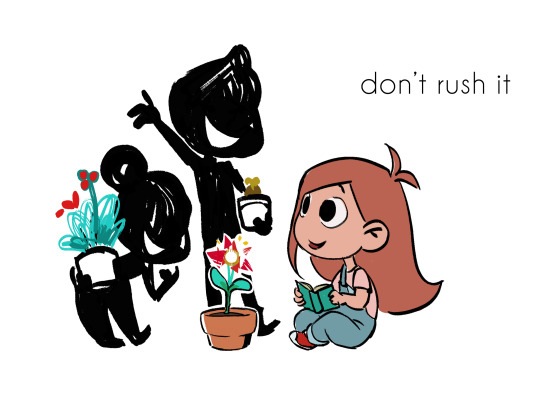
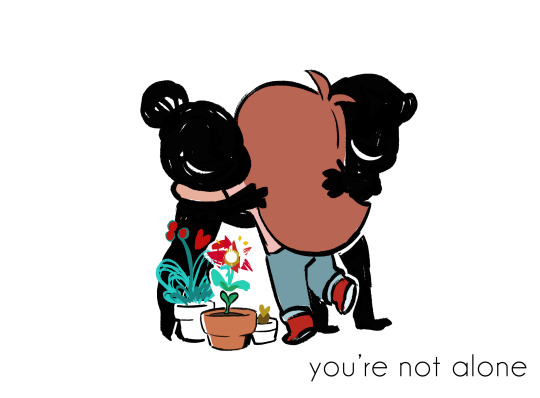
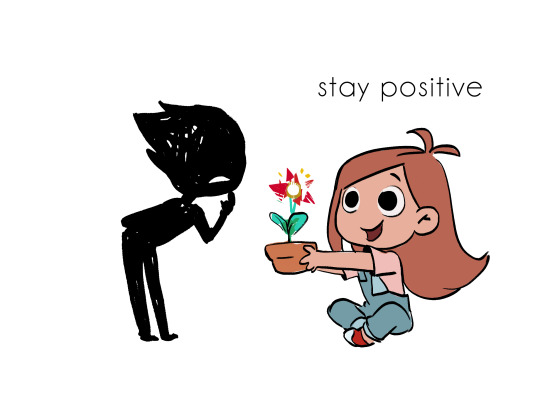
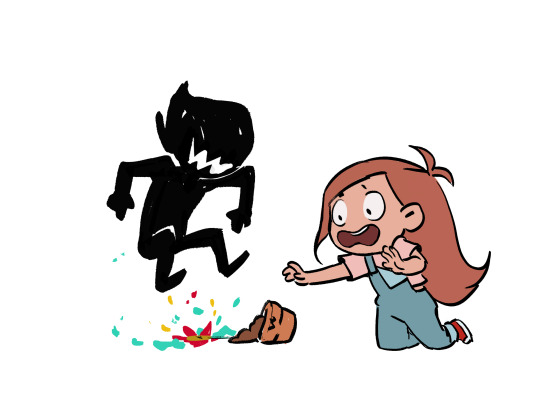
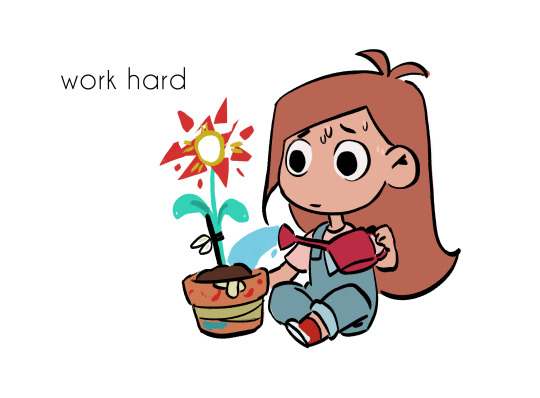
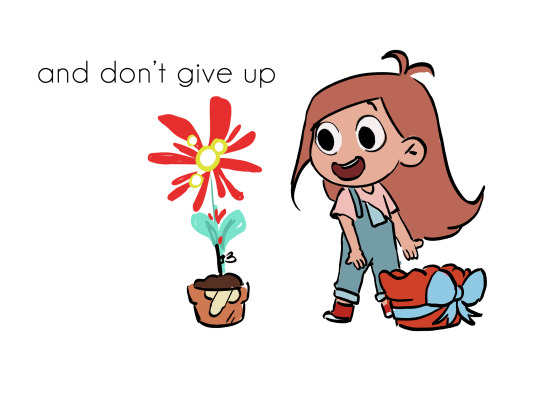
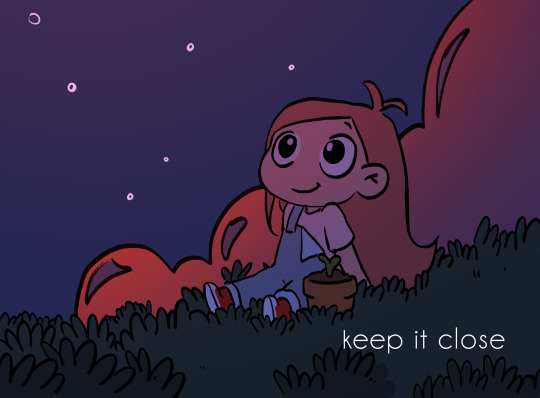
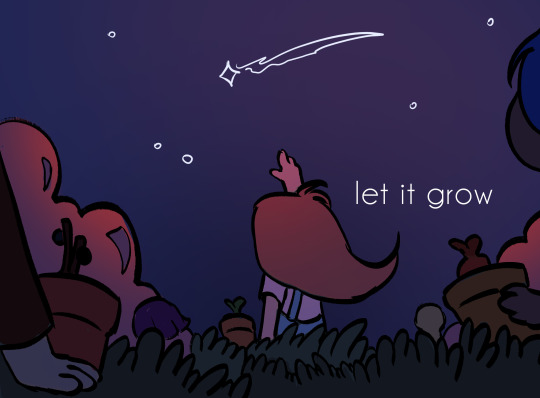
Posting this here because someone might just find this relatable. A comic I drew as therapy, to help me get over some big creative issues I’ve been dealing with recently. Hope it can help some of you as well.
Thank you so much for posting this to Tumblr! I hope you all find this as inspiring as I did.
There’s no shame in follow tutorials and producing the exact same thing in the tutorial. That’s legitimate learning, plain and simple.
Even copying a famous artwork helps a lot as well bc you get to learn how they execute that technique and later being able to apply it to your own artwork
yup. these are literally just studies. the old masters did a ton of them. usually when you see a piece that says “after [another artist’s name],” it means that piece was a copy done for practice. as long as you give credit and make it clear that it’s a copy/study rather than your own original art, you’re good
NOTE: one type of fold will rarely appear on its own – they interact with each other quite a bit! for example, spiral folds might define the outline of a pant leg, while the interior folds might be zig-zag folds.
i’m trying to re-learn how to draw clothing, so i made this little guide to the most common shapes of folds that appear. hope it helps someone else too!
“Don’t trace” originally started as a warning against tracing as art theft (as in, tracing someone else’s art without permission or credit is art theft) and then over the intervening years turned into “you can’t use references because it’s cheating” and I think that’s one of the worst cases of the telephone game I’ve ever personally experienced
you are allowed to trace as practice
you are allowed to trace your own work (for example photographs you took yourself or to keep architectural consistency)
you are allowed to trace things the original artist is encouraging you to trace
you SHOULD use references
you SHOULD be allowed to pick up other artists’ artistic tics you like (…as long as they’re not offensive, like blackfacing, but that’s a different kettle of fish)
you SHOULDN’T go around moralizing at other people about how they learn best because you can and will lose friends that way and you can and will hurt other artists’ development that way.
Also other than art theft there IS no such thing as cheating in art okay use sparkle pens and fan brushes to your heart’s content why is that even a thing I have to say (…and yes I’ve had conversations in the analog world about fan brushes as “cheating” I’m so tired of snotty artists who think you shouldn’t be allowed to use tools that make things easier because they can do it the hard way)
But honestly, this need to be said louder, as an artist you end up feeling like you aint getting better, trying to draw in perspective without having a guide line . And when others shame artist for using references its like they are expecting the artist to know by memory how everything works on every perspective.
To Consider that fan brushes, or custom brushes are cheating and expecting the artist to do everything in the “original” way is like wanting the cashier to charge you without using a calculator to do the sum. Tools are invented to be used.
“tools are invented to be used” well put
Not allowing using references is same as telling to a chef they can’t use recipes but they have to pull any dish in the world out of their asses just like that.
The first thing, the very first thing my photography teacher told us was “When photographing was invented, ARTISTS took pictures of cities and traced them on their paintings because hey – easier work! Why bother to work hard when you can make it easy for yourself and save your time and energy?”
when I was studying illustration our tutor straight up told us it was a good idea to trace reference photos. It get the bare bones of the image down so you can mess around with it later. Saves time, can improve quality of work, gets commissions finished faster
If you’ve ever been curious about what it’s like to storyboard for Regular Show, here’s a very in-depth comic about what it takes to make an episode. I’ve been meaning to make something like this for a while, because I definitely didn’t know the process until I started, and every show is run a little different. I’m very grateful to have such a cool job, and getting to work with and learn from Benton has been awesome.
Also the season 7 finale airs tonight, and it’s a doozy! Be sure to check it out.
Hi! Happy Tuesday! Today’s tip is on one of my favorite subject, color theory; specifically on chromatic fringe.
It is the red fringe or hot saturated color you see at the edge of cast shadow and where it meets the light area. The rougher the object edge casting the shadow or the further away the object is, the more red fringe you’ll see. This is different than chromatic abberation, which is color fringing caused by lens failure. You can see chromatic fringe with your eyes. The more you paint from life and make observation, the easier it is to see. It’s one of those things that once you see it, you cannot unsee. 🙂 XO,
Griz
#griz #grizandnorm #tuesdaytips #colortheory #chormaticfringe #grizandnormtuesdaytips #grizandnormkittycatclub
ps. On stylized painting, where you want to have a hard edge on a shadow, you don’t always have to put it. Like everything in art, you can choose to put something in or not. But it’s always good to know your basic and know the rules before breaking it. Happy painting!

 tumblr backup