ART INJURY is such an important topic, thank you for bringing it up!
I’ve had almost every art-related injury imaginable by this point, I’ll mention what caused them, how I treat them, and how I prevent them.
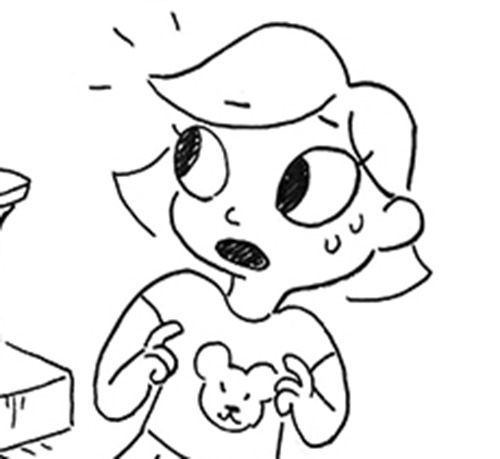
I first developed Carpal Tunnel Syndrome (CTS) a little over 5 years ago and its been a haunt of mine ever since. It initially developed from overwork–I binged through a comic I was drawing in a matter of days, drawing for hours without break. CTS is painful as hell: my thumb hurt, my fingers hurt, my entire hand felt constantly tingly/numb. I let it get so bad that my fingers grew stiff and unresponsive. I was in college at the time, so I was constantly writing/typing. I wore a typical wrist brace (one that didn’t really do anything for my CTS) most of the time because I didn’t know what else to do. I tried sleeping in it occasionally (bad, most braces aren’t meant for sleeping in–your hand heats and swells in it in your sleep and cuts off circulation). I was in horrible pain all the time, most nights I fell asleep curled in the fetal position, just wishing the pain away (something I’ve heard echoed by other people with severe CTS that I’ve met). I couldn’t draw. I was constantly in pain even when I wasn’t using my hand. I grew depressed. That went on for about 6+ months with no change and I believe that experience may be what left me with the permanent nerve damage in my hand. Though it’s uncommon now, sometimes I’ll be working and my fine motor skills in my hand will fade for 30mins to an hour. A couple times this happened while I was in my office and I got a visual representation of it in my work notes:
I’m not a doctor, I can’t break down exactly what caused this. What I do know I’ve done a lot of damage to my hand over the years. What finally changed and ended the terribly era of my first CTS encounter was that I began using this CTS treatment brace. I’m a skeptic and I definitely would not have bothered buying something that looks that dinky on my own, but one of my illustrator friends recommended it to me. Wow. It was like night and day. The first thing I noticed after a week using it was that the chronic pain that had become part of my routine for months was almost completely GONE. I’ve recommended it to artists and non-artists alike who suffer with CTS and it has worked for them as well–reading the Amazon comments provides good for tips on how to wear it.
My CTS was under control after that and to this day I wear the treatment brace any time I’m working on art.
Then I started developing tendonitis in the tendon on the outer edge of my wrist. Can’t catch a break, right? Icing and heating tendonitis is annoying, so I began using this ice/heat wrap whenever my tendonitis would flare up. It’s bulky and awkward, but I’ve found it really tames my tendonitis symptoms and is soothing to wear when I’m not working, like before bed (don’t sleep in it).
I’ve been pretty good about taking care of my wrist after all this. Wearing my treatment brace. Taking breaks to do preventative stretches. But I guess I’m not as smart as I think I am. Remember how my CTS flared up the first time? Apparently I needed to learn that lesson one more time for it to stick. I did the same thing: I had a comic I was really fired up about and I hashed through sketching the entire thing in a span of 2-3 days, working hours with few, if any, breaks. It devastated my wrist. The pain was worse than my first CTS experience. And unlike CTS, no amount of icing/heating or treatment braces would work. I went a month without creating art, going even so far as to not use my hand for even the most menial tasks like brushing my teeth or opening jars. My hand was so weak, I could barely grip a doorknob. But no amount of not using it seemed to have any effect. The first doctor told me it was probably a cyst and would require surgical removal. The specialist I was transferred took x-rays and an MRI–no cyst (thank goodness). The inside of my wrist was packed tight with so much inflammation that my body couldn’t seem to handle it on its own. I was prescribed an anti-inflammatory typically given to those who suffer from severe arthritis and that finally brought my hand and wrist back to normal.
Now I’m much more serious about prevention. I set a timer to take a break every 20-30 minutes and stretch my wrist, give it a rest. I break up my day so that I’m never working for more than 3-4 hours at a time. I continue to use my treatment brace any time I work. I also push myself to be more ambidextrous now. I use my left hand routinely for things I would have used my right hand for in the past. Brushing my teeth, pouring coffee, opening doors, writing notes to myself. Of course that’s a bit of an extreme lifestyle switch, but my encounters with art-related injuries have also been extreme.
All of these injuries were caused by my own choices. I didn’t take precautions, pushed myself too hard, and suffered the consequences. The best way to avoid these injuries is to take care of your hand in the first place. When I sketch, I try to hold my pencil using the underhand method and draw with my shoulder, rather than using a writing grip and drawing from my wrist. If you’ve had run-ins with CTS before, consider a treatment brace. Heat and ice tendonitis as its symptoms begin to arise. Take breaks. Stretch stretch stretch.
I’m sorry tendonitis is plaguing you! That really just sucks. Hopefully some of this is helpful. I can’t speak for other artists, so I don’t know if it’s the norm per say–but it’s definitely something anyone who using small, tight wrist motions for their work is susceptible to. All you can really do is alleviate your sources of strain as much as you can and try to avoid damage in the first place.
I’m so sorry to hear you’re stuck in a rut like that! To be fair, anatomy is hard. Really hard. It’s something I don’t think artists every truly stop learning and practicing.
If you’re early in learning anatomy, have you considered that another teacher might be more beneficial to you? Everyone learns and retains information differently, some professors click with students more than others and that’s absolutely normal!
I didn’t go to art school, so practicing devotedly on my own, exploring new art topics and pushing myself outside my comfort zone, and picking up knowledge via books and online lessons is how I’ve grown. And anatomy is a never-ending skill to hone, so don’t feel bad if it feels like a black hole to you! I attend live figure drawing sessions in Dallas when I have spare weekends. Every single Wednesday @volvokun and I do a figure drawing session for a couple hours. @wheresmypencil and I do anatomy lessons together when she has time. Chasing better anatomy skills is a constant endeavor! And it’s still hard and there is still such a long way for me to go.
Some of my go-to internet sources:
Schoolism is one of my faves, an excellent place to boost your art skills from industry professionals for a really affordable monthly price.
Proko and CroquisCafe are absolutely excellent youtube channels for anatomy lessons and figure drawing.
Aaron Blaise’s Human Anatomy Lessons are among my favourites, they helped me so much.
And also VERY important, if you need to cheer yourself up Bobby Chiu’s youtube channel is one of my FAVOURITE things to play in the background while I work. Always leaves me feeling better about myself.
When I first started teaching myself anatomy, it was terrible. Everything I did sucked. I drew and drew and drew and it never seemed to get better. I felt like my sketches could have been drawn by a child. But the truth was, it was getting better. You may not notice it, but bit by bit you’re internalizing anatomical knowledge: foreshortening, perspective, proportions, etc. You’re getting a feel for it. Growing comfortable with it. Gaining accuracy very slowly over time. That’s what it takes, time and practice. Even now, about 40% of the time I do figure drawing and gestures–I STILL feel all those negative feelings about what I’m drawing. That it isn’t good enough, that I’m not improving. I grow frustrated and scratch things out time to time. Simply put, it just isn’t easy. But it does get better. And I promise you ARE improving! Keep learning, approach it from different methods, try new things.
One way to cheer myself up about it is to look at anatomy drawings and paintings from my favourite old masters and my favourite modern artists. Films, animations, photography. There’s a reason we became artists in the first place: we were inspired by both the world around us and our individual imaginations. Fall in love with your art again and the things that ignited you to pursue art in the first place. What inspires you? Let your mind take a break from studies and return to your core.
apparently ppl don’t know about waifu2x??? despite its… concerning name it’s literally the most convenient website i’ve ever come across as an artist
it allows you to resize artwork without it becoming pixellated. this is a MASSIVE help if you, for example, make lineart too small or something. it works best with things that 1. have no textures 2. have smooth lines 3. have cel shading, but it still works really damn well for things that don’t fit that profile
here’s an example:
normal size
2x in paint
2x in waifu2x
so like, there’s that. go wild
Original:
Photoshop scaled:
Waifu2x scaled:
It’s legit!! Tell your friends!
waifu2x-multi is the newer version. It allows for rescaling multiple pictures at a time and to scale them up to 10x the original size.
An artist : Aw man! I saw my arts were reposted on Instagram. I’ve asked them to take my arts down but they ignored me.
Me : Say no more! Click this link, then click ‘fill out this form’. Fill the form and wait for about 1-2 days, the staffs will remove the image you were reporting from the reposter’s account :^)
hope you don’t mind me adding some more info :’D
Many websites have those complaint forms you need to fill out to submit DMCA notice. Here are some of them:


 tumblr backup