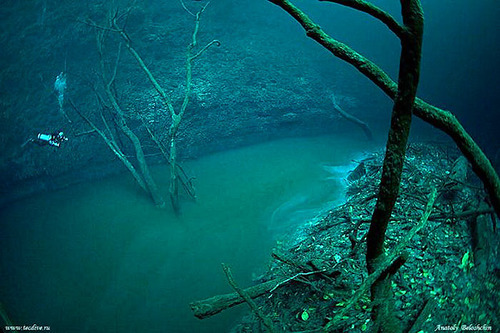
THAT IS FUCKING TERRIFYING WHY DO PEOPLE FIND THAT BEAUTIFUL?! THERE’S A BIG FUCKING GAPING HOLE IN THE MOTHERFUCKIN OCEAN AND WATER IS DISAPPEARING INTO IT WHERE DOES IT GO?!
*Under The Sea starts playing*
Anyone know where this is?
This is off the Island of Mauritius in the Indian Ocean! And actually it’s not really a waterfall, it’s the underwater sediment/minerals and sand that is being swept off the continental shelf into the epipelagic waters by some pretty strong currents, creating a sort of illusion that the water itself is rushing over into a waterfall. It’s a pretty cool illusion though!
There aren’t ever such things as underwater waterfalls or rivers that are just made out of water since water is technically all the same density (besides fresh and saltwater) and the only thing that separates it would be the salinity and/or the thermocline!
But when water is actually mixed with something denser, such as hydrogen sulfide or perhaps salt water crashing with fresh water, it can actually form underwater rivers such as the one in Mexico!
Not to critique evolution, but I would think orange and black stripes wouldn’t be as good for camouflage in a forest as, say, green and black would.
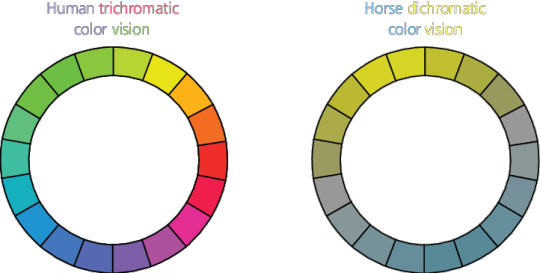
It turns out a lot of animals can’t see the difference between orange and green! Elephants, for instance, have dichromatic vision (two types of cones, rather than three like most humans.)
Check out this diagram from ResearchGate. It deals with the color vision of horses, who are also generally dichromatic. (I think, though I’m not sure, that zebras would have the same color vision as horses.) See how orange and green look to them?
Not to critique evolution but I think prey animals should be better at telling when their predator is dressed like a traffic cone.
It doesn’t matter what zebras see, because tigers are not native to Africa and do not naturally hunt zebra. Tigers are Asian and mostly hunt animals like deer, elk, and buffalo. These aren’t animals with great color vision. They don’t need to have it because they don’t eat fruit and so don’t need to know when the berry is ripe vs when it’s not. Good color vision is too expensive to have if you don’t need it. Deer put their vision stats in a wide field of vision that is sensitive to motion, low light capabilities, and possibly seeing UV light. They don’t have great color and lack a lot of acuity, but have a great sense of smell and good hearing. That’s way more useful if you’re prey. Deer see well in the blue end of the color spectrum and less well in the red. This makes sense because deer are most active in the dawn and dusk periods, when there is more blue in the light. Tigers are taking advantage of deer eyesight by being orange.
We see tigers are being obviously colored because tigers are fruit colored to our tree ape brains.
I don’t know what the best part of this is: implying that deer chose their attributes on a character sheet, or the fact that we get to see tiger colors because they look like a snack.
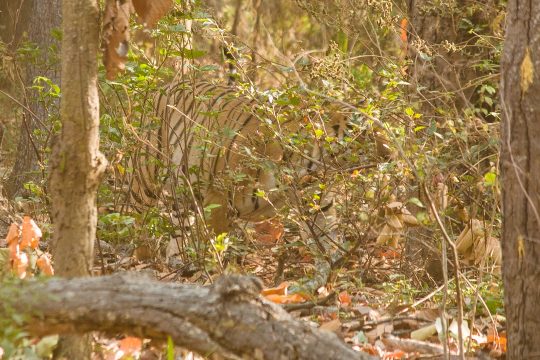
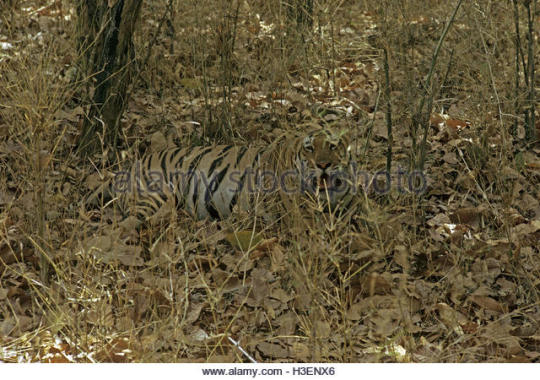
Ok but like, I think you underestimate just how well they blend in when actually in the environment. Like, just using tigers as an example.
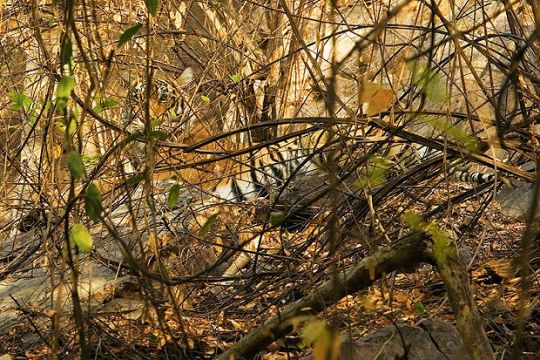
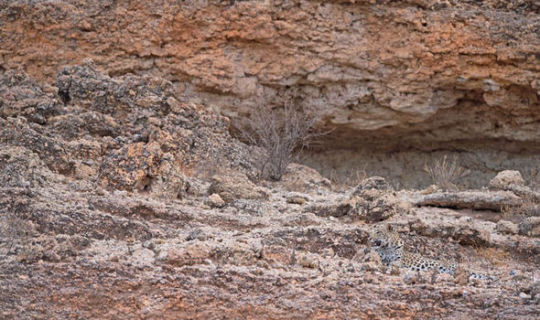
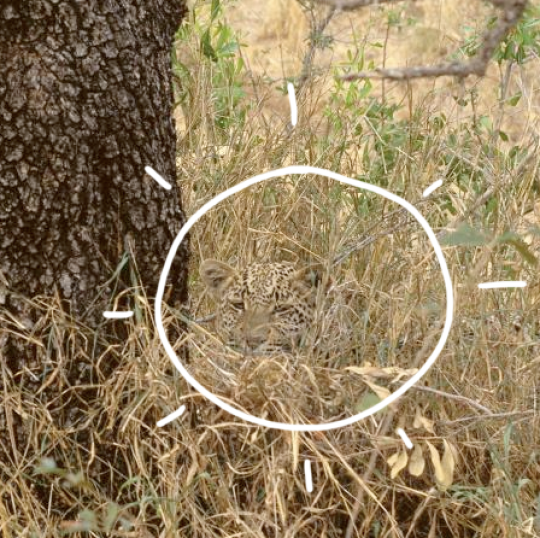
or how about a leopard?
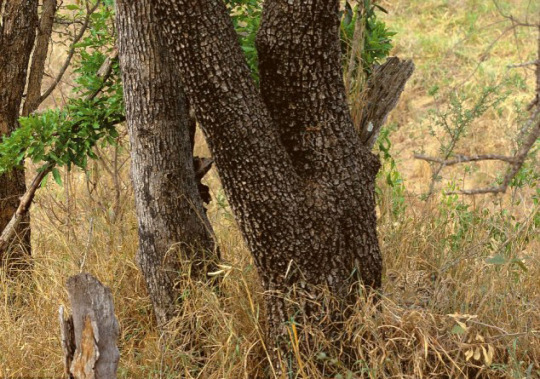
It’s called ‘disruptive colouration’ because the markings help to break up the animal’s outline against the grasses or rocks. And the rosettes on leopards and jaguars? Sun spots shining through the trees and leaves on the ground.
And this is how hard it is to spot them WITH colour vision. Now imagine the above images but with the limited coloured mentioned above?
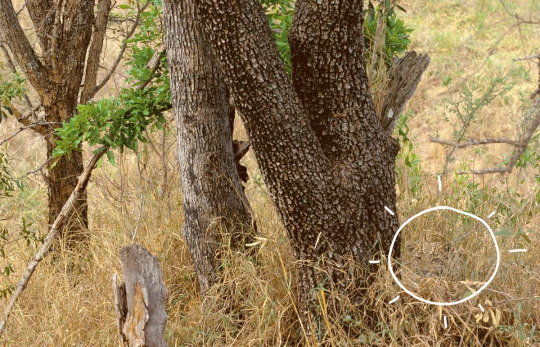
I’m sorry but there is not an animal in that first leopard picture
Are you, sure about that?
“Tigers are fruit colored” is my new favorite phrase.
In their continuing quest to squish all the things, the Hydraulic Press channel recently debuted a tool with a series of small holes they can extrude various substances through. The video features several great extrusions, including oobleck, temperature-sensitive putty, cheese, and crayons (above). Most of these substances are non-Newtonian fluids of some kind, and the extreme forces the hydraulic press causes makes for some wild effects.
Many of the substances, including the crayons above, display signs of the sharkskin instability in their rough edges. When non-Newtonian fluids (like the paraffin wax in crayons) get extruded quickly, the material at the edges experiences a lot of friction and shear when trying to flow along the wall of the hole. When the fluid finally breaks free, the region along the outside accelerates to match the speed of fluid at the center of the extrusion. Parts of the mixture may resist that acceleration, resulting in the uneven edges seen above. (Video credit: Hydraulic Press Channel; GIF via Colossal)
Do you ever start bullshitting a paper, and then look over it halfway through and think, ’…Wait a minute, I could be onto something here.’
this is the definition of college.
Literally I was writing a paper on Asian salt water crocodiles, like a simple about them paper for a college class, and I started noticing some inconsistencies in the scientific papers I was sourcing and I accidentally discovered that the crocodile has been misdiagnosed as least concerned on the endangered species list when they should be classified as endangered and now my professor is having me write a formal report to the international Red List to have them reclassified and all I wanted to do was write this paper on an animal I thought was cool and now I’m considered an expert on this species…
this is how it works half of esteemed biologists trip and fall into their specialty while pursuing something else. one lecturer i just went to started as a biochemist researching antibiotics and discovered that crocodiles change colors based on environment and now he has 30+ crocs in his yard for research purposes and he’s just like… “wait… i’m a chemist…”
How did so many people end up with crocodiles on accident?????
Accidental crocodiles lol
Crocodiles are conspiring to become the third domesticated predator
It’s in that prophecy. “After a while: crocodile.”
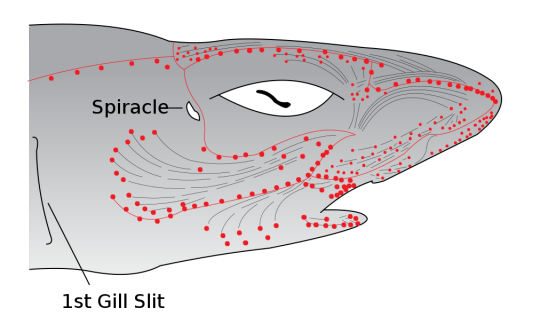
This is probably investigatory behavior! As we talked about a couple years ago on the blog, sharks have lots of little sensory organs around their nose and mouth called Ampullae of Lorenzini.
They’re basically little gel-filled pores that sense electric current, and they’re why sharks investigate everything with their faces. Sharks bump things with their nose to put their ampullae near them in an attempt to learn about them – like finding out if you’re animal, vegetable or mineral, and if you could potentially be edible.
From the video linked, we can see the shark is swimming around checking out the divers (who appear to be hanging out at a decompression stop), before coming over closer to the guy who is filming. This isn’t aggressive behavior – it looks like simply curiosity. It’s not a shark kiss, it’s a shark question: what are you?
Not to critique evolution, but I would think orange and black stripes wouldn’t be as good for camouflage in a forest as, say, green and black would.
It turns out a lot of animals can’t see the difference between orange and green! Elephants, for instance, have dichromatic vision (two types of cones, rather than three like most humans.)
Check out this diagram from ResearchGate. It deals with the color vision of horses, who are also generally dichromatic. (I think, though I’m not sure, that zebras would have the same color vision as horses.) See how orange and green look to them?
Not to critique evolution but I think prey animals should be better at telling when their predator is dressed like a traffic cone.

 tumblr backup